Combatting Condensation and Mould
A Landlord's Guide
Combatting Condensation and Mould
A Landlord's Guide
What are condensation and mould?
In this section, we delve into what condensation and mould are, why they occur and how they can impact your rental property and your tenant’s enjoyment of it. But why is condensation a concern? When excess moisture accumulates, it creates ideal conditions for mould growth. Mould, a fungus, thrives in damp, poorly ventilated areas.
It can spread quickly, causing damage to your property and, in severe cases, potentially lead to health issues, especially for those with allergies or respiratory problems.
Condensation is when warm, moist air meets a colder surface, turning water vapour into liquid. This often happens in homes during colder months (but can occur in summer, too) when heating systems are on and windows are closed, creating a perfect environment for condensation.
An important point here is not to panic – mould that causes health problems is extremely rare. This is somethingwe emphasise to tenants.
Understanding the ‘dew point’ is key. It’s the temperature at which air can no longer hold all its water vapour, causing it to to condense into water droplets. In properties, this often occurs on cold surfaces like windows or walls. Keeping indoor humidity at a balanced level is crucial in preventing the dew point from being reached inside your property.
Recognising the first signs of condensation and mould is the first step in tackling them.
From here, we will explore how to identify high-risk areas in your property and the common causes that contribute to these issues
Top Tip: Install or upgrade extractor fans, especially in kitchens and bathrooms.
The places condensation and mould love
Let’s identify the common places where condensation and mould are most likely to occur on your property. Understanding these areas can help landlords and tenants focus their prevention and treatment efforts more effectively.
Kitchens and bathrooms
These areas are moisture hotspots due to cooking, boiling water and bathing. Without adequate ventilation, this moisture lingers and condenses on cooler surfaces
Cupboards and wardrobes
Tucked away and often poorly ventilated, these spaces can become mould havens, especially if they are against external walls.
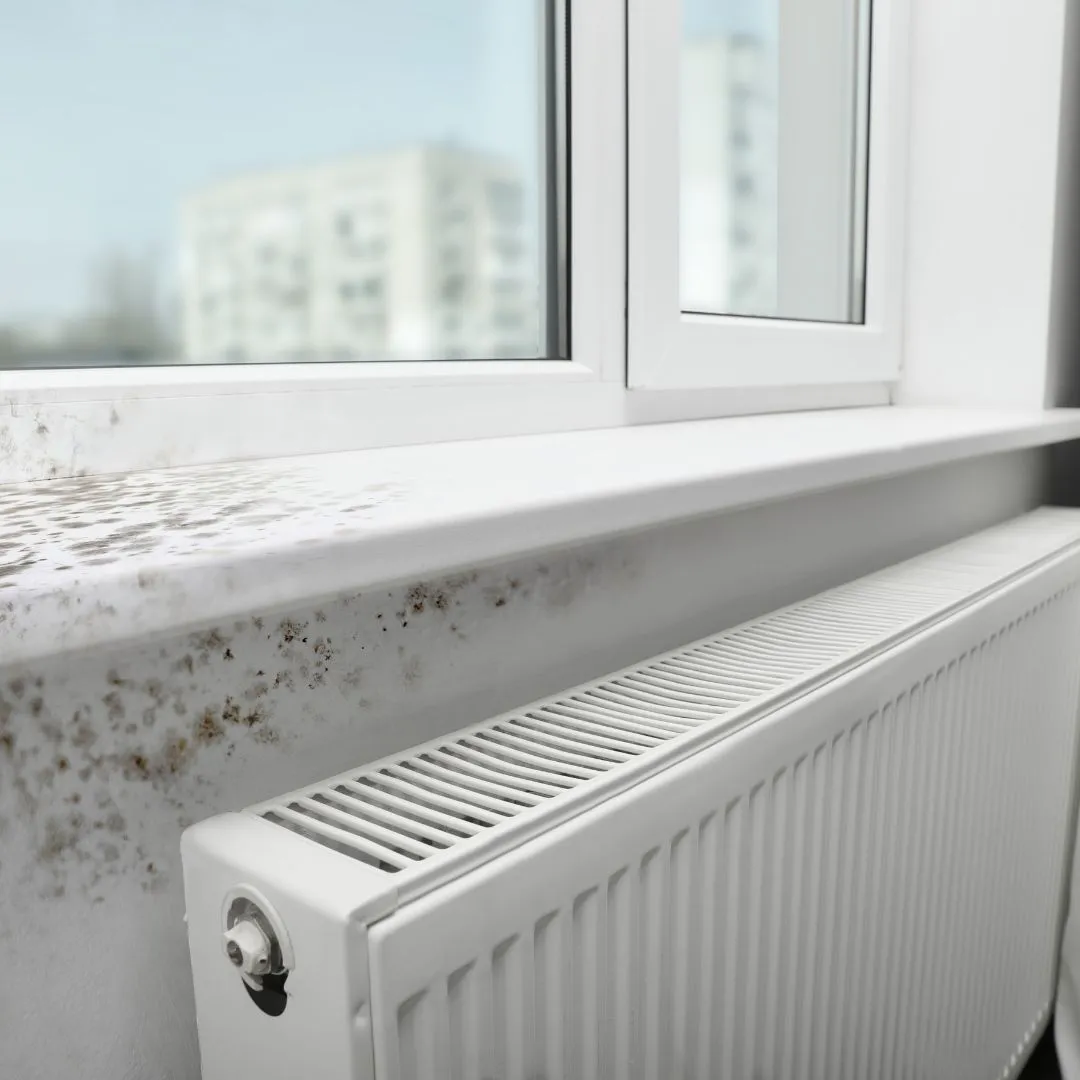
Windows and windowsills
Condensation frequently forms on windows, particularly during cold months, leading to mould growth on sills and frames.
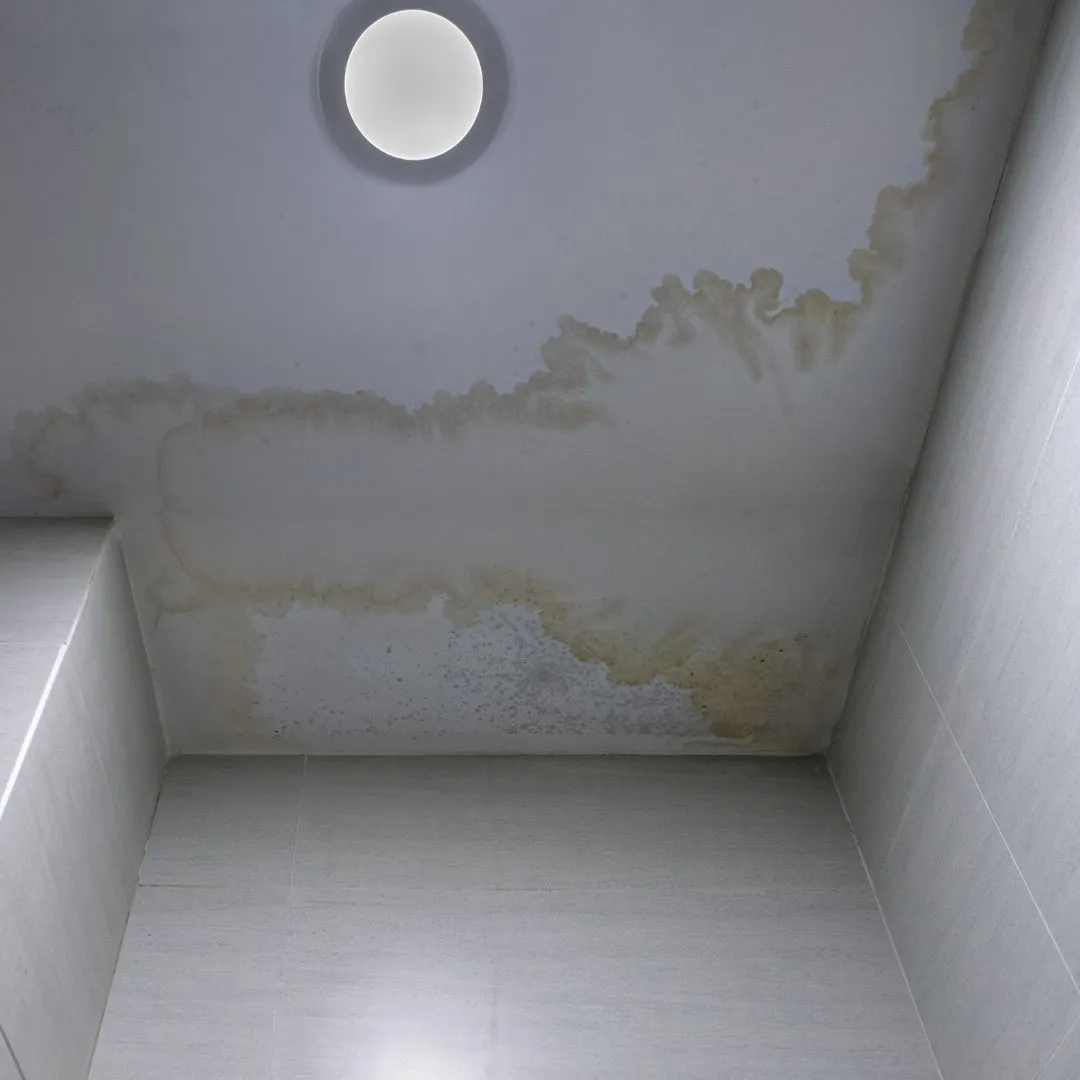
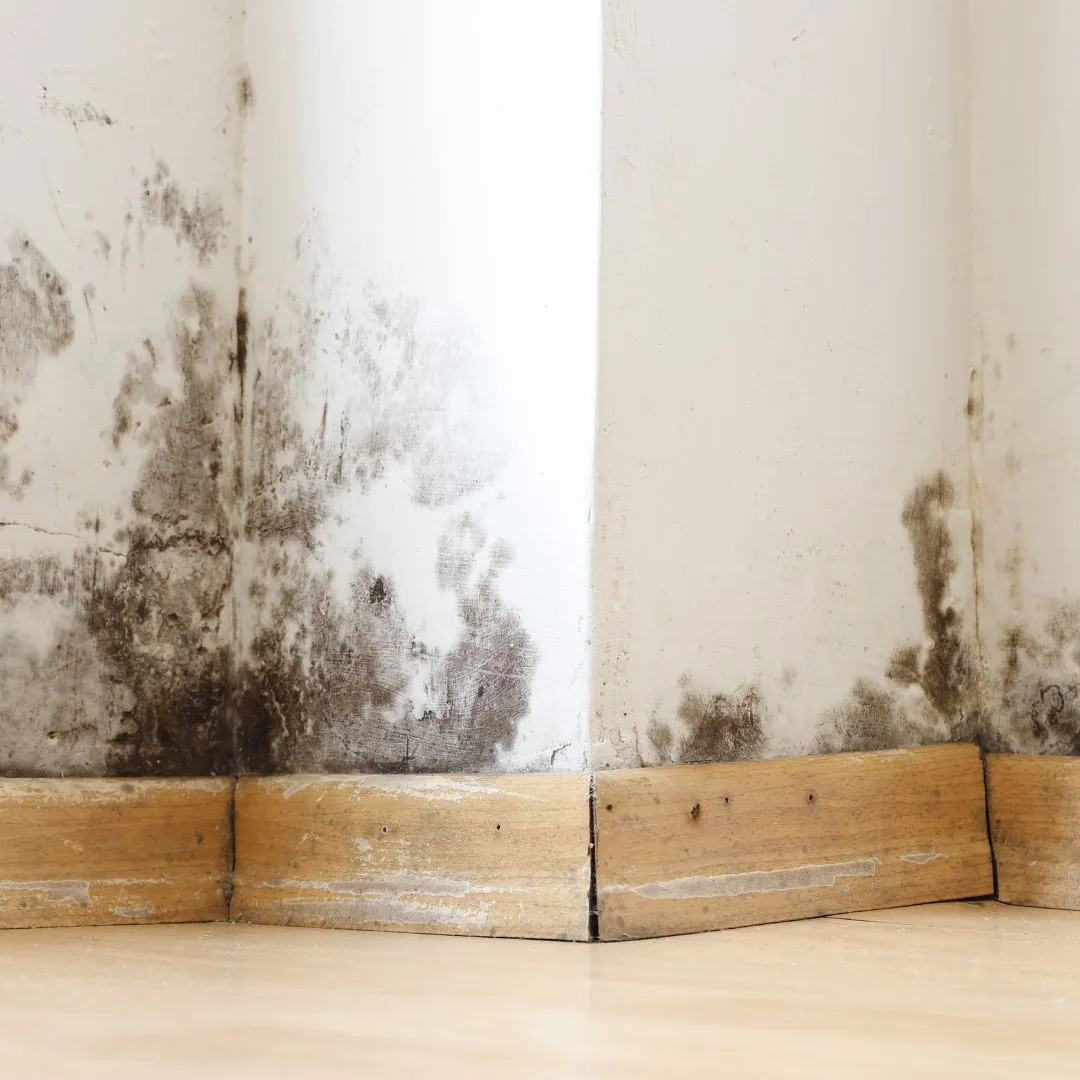
By identifying these high-risk areas, landlords and tenants can take targeted action to reduce the development of condensation and mould.
Regular checks and maintenance of these areas are vital in preventing mould growth and maintaining a healthy living environment.
Unveiling the causes of condensation and mould
Understanding the common causes of condensation and mould is crucial in effectively combatting them. Here, we highlight the typical lifestyle and environmental factors contributing to these issues. We educate your / our tenants about these.

Overcrowding
More people in a space means more moisture from breathing and perspiration. The average adult releases around 400g of water daily – just by breathing.

Tumble drying and cooking
These activities can release significant moisture into the air without proper ventilation.

Rarely opened windows
Fresh air helps to reduce indoor humidity levels– and closed windows prevent this exchange

Drying clothes indoors
Wet clothes significantly increase indoor humidity.

Cold indoor temperatures
Warm air holds more moisture; when it cools, condensation occurs.
A step-by-step guide to mould removal
Dealing with existing mould is crucial in maintaining a comfortable, cleaner property. This section provides a safe and effective process for cleaning mould from your rental. We share this process with tenants.
Prepare by wearing gloves & protecting the surround area
Use a mould / mildew cleaning spray. Avoid bleach as it can discolour surfaces and does not prevent mould from returning
Gently scrub the affected area with a soft brush or disposable cloth, do not brush too hard. Wipe down the area with a damp cloth
When finished dispose of the cloth/brush in a bag to remove spores from inside the property

As we conclude our guide, it’s important to remember that condensation and mould can be concerning, but they are easily manageable with the right approach.