Sale Agreed, What Next?
Once an offer has been accepted and a sale has been agreed upon, it can be tempting to think that most of the hard work has been done.
With the viewings and negotiations ticked off, you may be ready to kick back and celebrate.
But while reaching this milestone in the property journey is an achievement, there’s still some way to go before a deal is signed, sealed and delivered.
Have realistic expectations
The conveyancing process involves many different steps - and for good reason.
The legal and administrative checks take place to protect the buyer and seller – but they do take time.
We encourage people to adopt an optimistic but realistic outlook. If you face an unforeseen delay during the process, try to be flexible and remember that everyone is working towards the same goal—completing the transaction.
Next steps
Once a sale is agreed upon, instruct your solicitor or conveyancer.
The seller’s estate agent will then issue a Memorandum of Sale to the buyer, seller and both parties’ solicitors.
This document will confirm the address of the property being sold, the price agreed, and details of the buyer and seller, as well as the solicitors involved in the conveyancing.
Quick tip
Be aware that with so many people involved in the process (especially if you’re part of a chain), any delay at your end will have a knock-on effect on the work of others.
For this reason, it’s important to respond promptly to requests for paperwork or other queries. Don’t be the weakest link in the chain.


Instructing a Conveyancer
Choosing the right solicitor is key to a smooth sale or purchase. Don’t just go for the cheapest—look for someone responsive, reliable, and well-reviewed.
Avoid high-volume “conveyor belt” firms, as delays can risk your transaction. It’s worth getting a few quotes and noting how quickly they respond.
Top tip: Instruct your solicitor early and have your paperwork ready (ID, bank statements, mortgage in principle, etc.) so you can move quickly once a sale is agreed.
Mortgage
If you’re buying with a mortgage, you’ll likely have a mortgage in principle (MIP), which shows how much you can borrow—but it’s not a formal offer.
You’ll then need to apply fully. The lender will check your finances and carry out a valuation to confirm the property’s value. Once approved, a formal mortgage offer is issued.
Getting a survey
A survey isn’t essential, but it’s recommended. It checks the property’s condition and can highlight any issues.
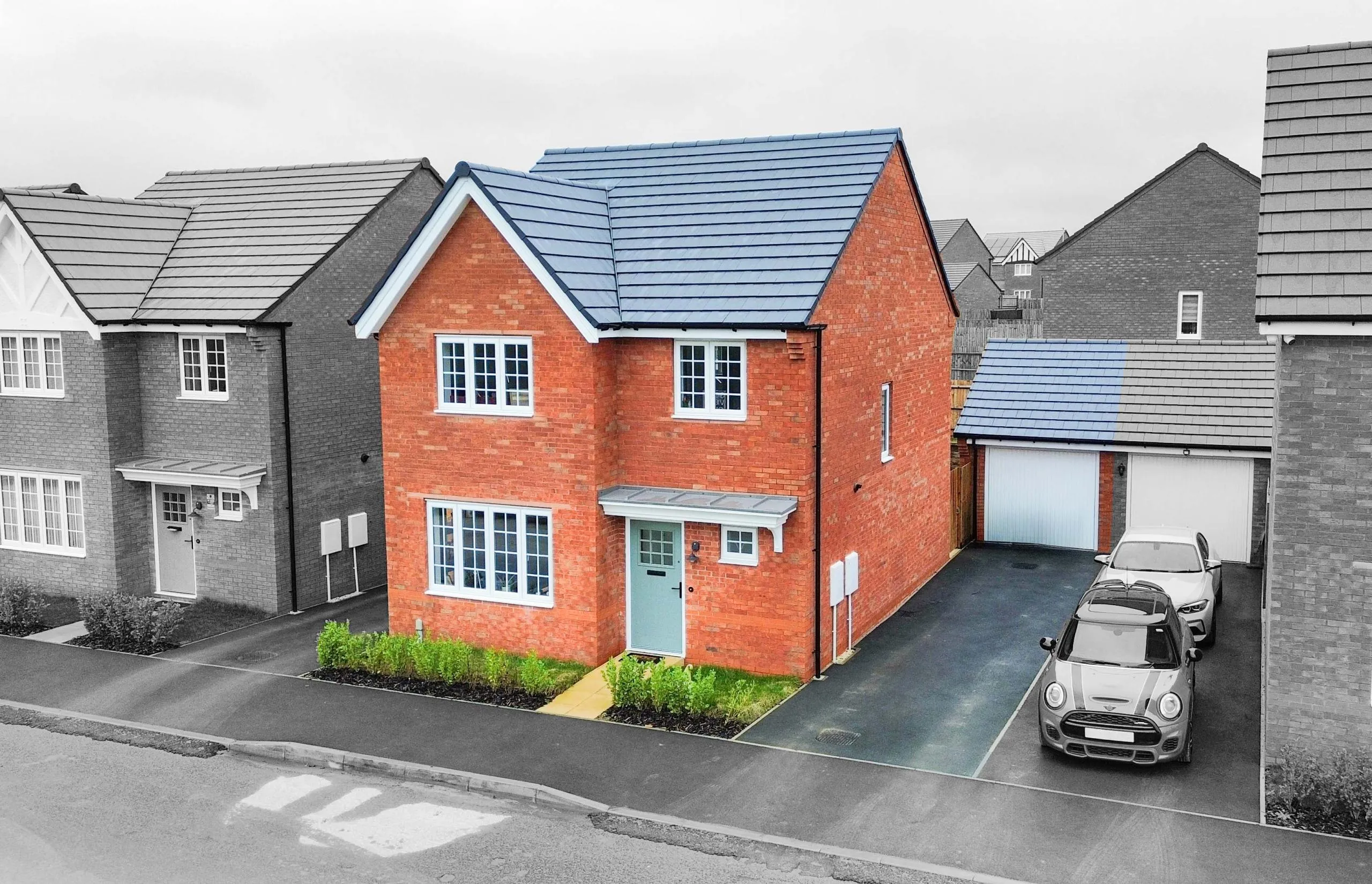
Level 1: Basic condition report
A basic overview of the property’s condition, highlighting any obvious issues. Best for newer homes in good condition.

Level 2: HomeBuyer Report
A more detailed report covering the condition of the property, including any defects or potential problems. Suitable for most standard properties.

Level 3: Full Structural Survey
The most comprehensive survey, providing an in-depth analysis of the property’s structure and condition. Recommended for older, larger, or more complex homes.
Drafting Contracts & Searches
During this stage, solicitors handle the legal side of the transaction.
Contracts & enquiries
The seller’s solicitor prepares the contract, and the buyer’s solicitor reviews it and raises any questions
Searches
The buyer’s solicitor carries out searches (local, environmental, water, and Land Registry) to check for any potential issues with the property or area
Next steps
Once enquiries are resolved and the mortgage offer is in place, the sale moves forward.